Taha Ali
 Introduction
Osteoporosis is a serious but often overlooked bone disease that affects millions of people worldwide. It develops slowly over many years and weakens bones to the point where even minor falls or simple movements can cause fractures. Many people associate osteoporosis only with old age, but the reality is that poor nutrition, Vitamin D deficiency, lack of exercise, and unhealthy lifestyle choices can cause bone loss at a much earlier age.
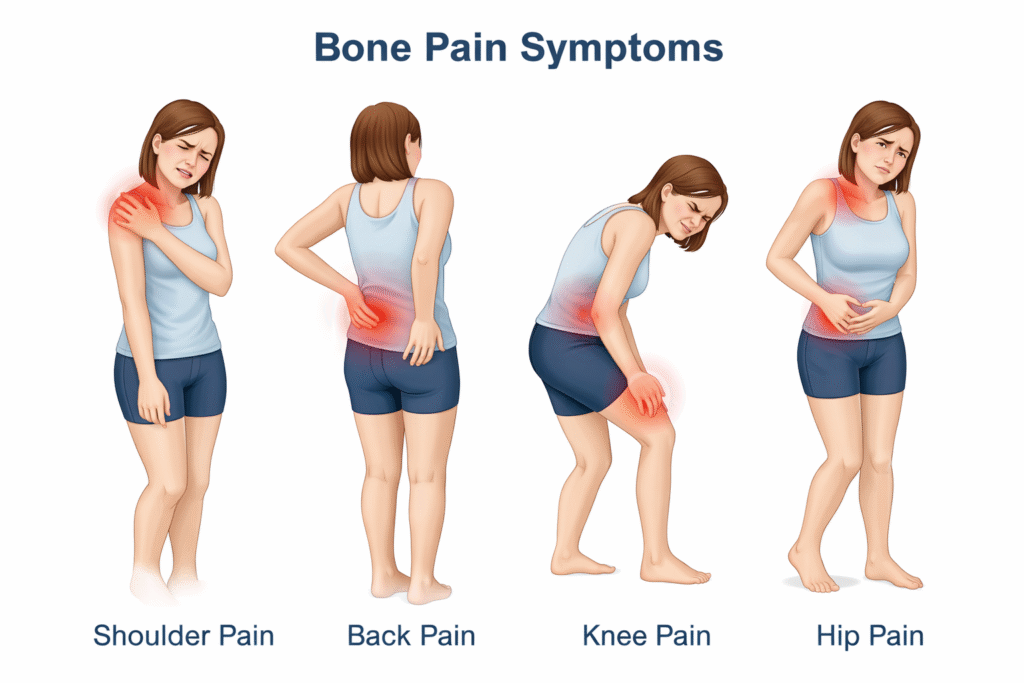
One of the most common and disturbing signs of osteoporosis is chronic bone pain, especially in the spine, hips, knees, and wrists. Understanding this disease early can help prevent long-term complications and improve quality of life.
This detailed article explains everything about osteoporosis, including causes, symptoms, bone pain connection, diagnosis, natural prevention, and long-term management.
What Is Osteoporosis?
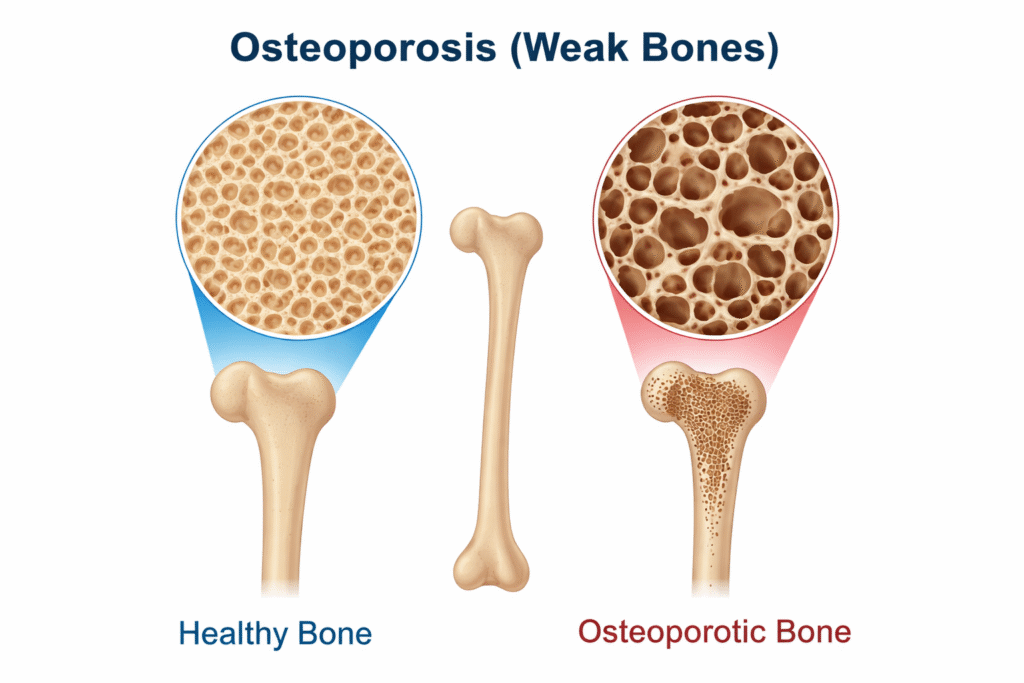
Osteoporosis is a medical condition in which bones become weak, brittle, and porous due to loss of bone mass and density. Healthy bones are dense and strong, but osteoporotic bones contain tiny holes that reduce their strength.
Because bone loss occurs gradually and silently, many people do not realize they have osteoporosis until they suffer a fracture. For this reason, osteoporosis is often called the “silent bone disease.”
How Bones Normally Stay Strong
Bones are living tissues that constantly rebuild themselves through a process called bone remodeling:
- Old bone tissue breaks down
- New bone tissue forms
For strong bones, the body needs:
- Calcium
- Vitamin D
- Physical activity
- Hormonal balance
When this balance is disturbed, bone breakdown happens faster than bone formation, leading to osteoporosis.
Major Causes of Osteoporosis
1. Calcium Deficiency
Calcium is the main mineral that gives bones their strength. Long-term calcium deficiency weakens bone structure and increases fracture risk.
2. Vitamin D Deficiency
Vitamin D is essential for calcium absorption in the intestines. Without enough Vitamin D, the body cannot use calcium effectively, even if intake is adequate.
3. Aging
Bone density naturally decreases with age, especially after 40. The risk increases significantly in older adults.
4. Hormonal Changes
- Postmenopausal women are at higher risk due to reduced estrogen
- Low testosterone in men also contributes to bone loss
5. Sedentary Lifestyle
Lack of weight-bearing exercise weakens bones and muscles, accelerating bone loss.
6. Poor Nutrition
Diets low in protein, minerals, and vitamins negatively affect bone health.
7. Smoking and Alcohol
Smoking reduces calcium absorption, while excessive alcohol interferes with bone formation.
Symptoms of Osteoporosis
In early stages, osteoporosis may show no symptoms. As the disease progresses, symptoms become more noticeable.
Common Symptoms Include:
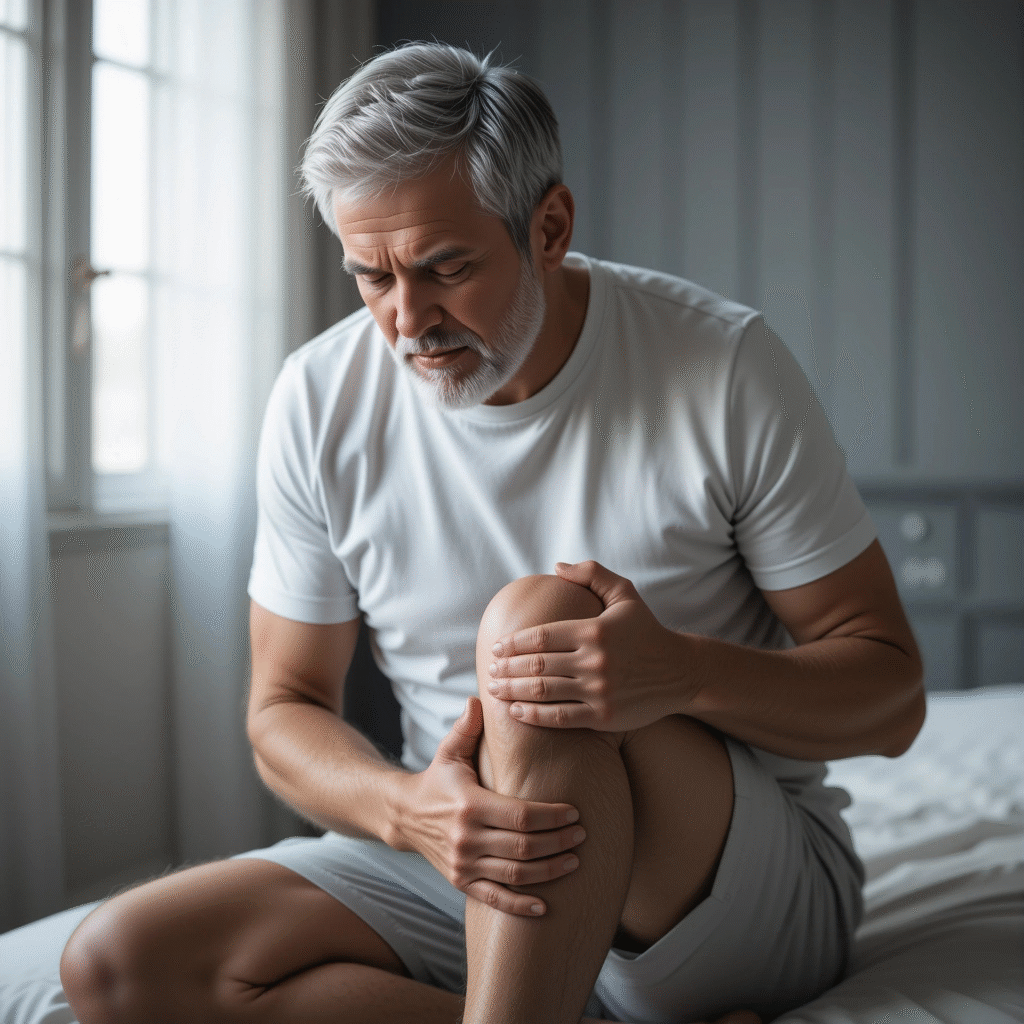
- Persistent bone pain
- Lower back pain
- Neck pain
- Loss of height over time
- Stooped or hunched posture
- Weak grip strength
- Frequent fractures
- Joint stiffness
- Difficulty walking
Osteoporosis and Bone Pain: The Strong Connection
Bone pain occurs when bones become weak and fragile. In osteoporosis:
- Bone micro-fractures develop
- Spinal vertebrae may collapse
- Nerves become compressed
This leads to chronic pain, especially in:
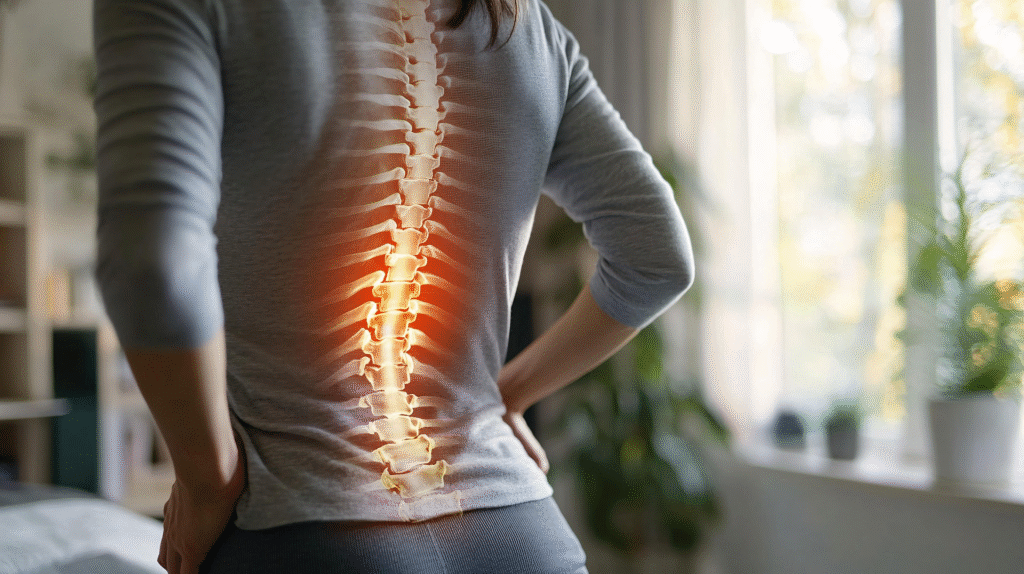
- Spine
- Hips
- Knees
- Ribs
- Wrists
Bone pain may worsen with physical activity and improve slightly with rest.
Who Is at High Risk of Osteoporosis?
People at higher risk include:
- Elderly individuals
- Postmenopausal women
- People with Vitamin D deficiency
- Individuals with limited sun exposure
- Smokers
- People with a family history of osteoporosis
- Underweight individuals
- Long-term steroid users
Diagnosis of Osteoporosis
Doctors use several methods to diagnose osteoporosis:
1. Bone Density Test (DEXA Scan)
Measures bone mineral density and fracture risk.
2. Blood Tests
Check levels of:
- Calcium
- Vitamin D
- Phosphorus
Early diagnosis allows timely treatment and prevents fractures.
Natural Ways to Prevent Osteoporosis
1. Adequate Sunlight Exposure
Sunlight helps the body naturally produce Vitamin D, which is essential for bone strength.
2. Calcium-Rich Diet
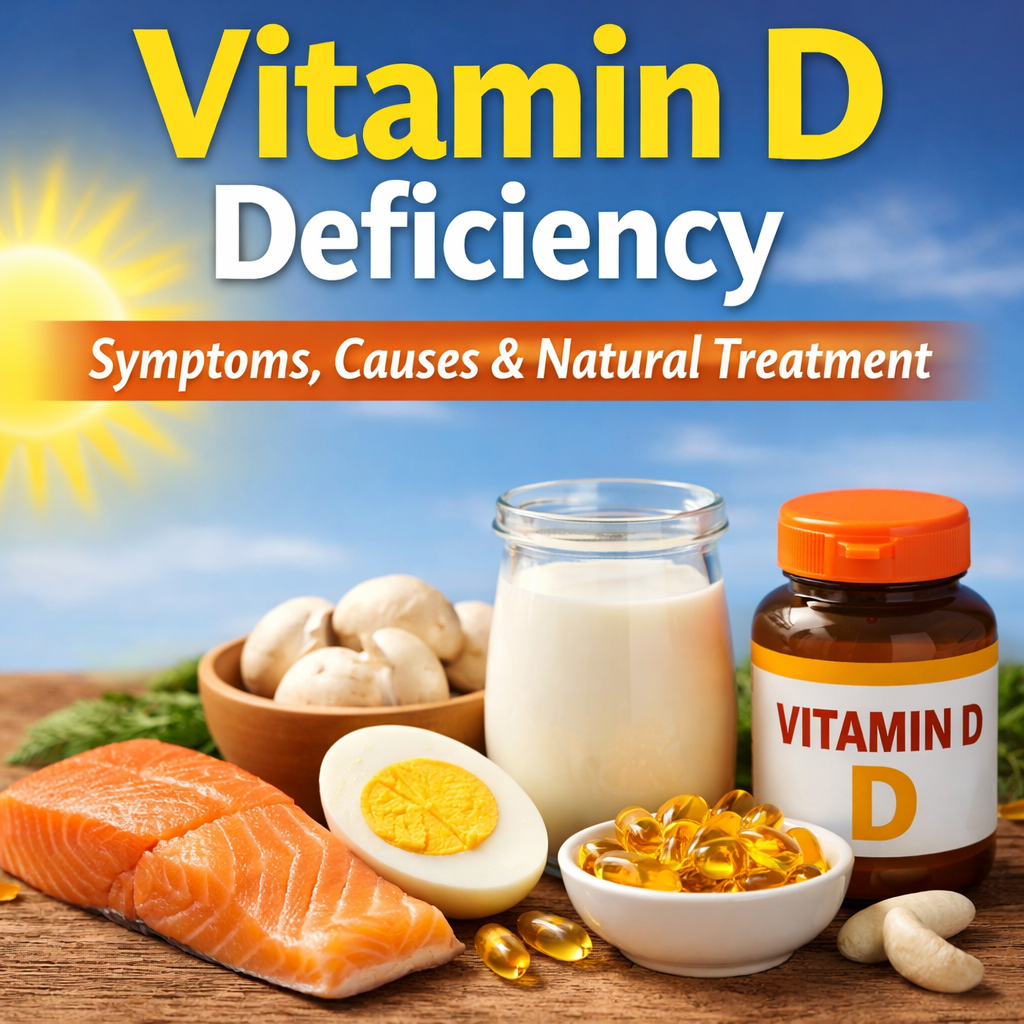
Include these foods:
- Milk and yogurt
- Cheese
- Leafy green vegetables
- Almonds
- Sesame seeds
3. Vitamin D–Rich Foods
- Fatty fish (salmon, tuna)
- Egg yolk
- Fortified cereals
- Mushrooms
4. Regular Exercise
Regular exercise plays a key role in maintaining strong bones and preventing fractures, as discussed in our guide on bone health and disease prevention.
5. Healthy Lifestyle Choices
- Avoid smoking
- Limit caffeine intake
- Reduce alcohol consumption
- Maintain healthy body weight
Medical Treatment Options
In severe cases, doctors may recommend:
- Calcium and Vitamin D supplements
- Bone-strengthening medications
- Hormone therapy (if required)
Always consult a healthcare professional before starting treatment.
Long-Term Complications of Untreated Osteoporosis
If osteoporosis is not managed properly, it can lead to:
- Hip fractures
- Spinal deformities
- Permanent disability
- Chronic pain
- Reduced independence
- Increased mortality in elderly patients
Living With Osteoporosis
With proper management, people with osteoporosis can live active and healthy lives. Regular checkups, balanced nutrition, exercise, and early treatment are essential to prevent disease progression.
Conclusion
Osteoporosis is a preventable and manageable condition if detected early. Strong bones depend on adequate Vitamin D, calcium intake, physical activity, and healthy lifestyle habits. Bone pain should never be ignored, as it may indicate underlying bone weakness. By taking preventive steps today, you can protect your bones for the future and maintain long-term mobility and independence.