 Taha Ali
 Bone pain is a common health complaint that can affect people of all ages. Unlike muscle or joint pain, bone pain is usually deeper, sharper, and more persistent. It may be a sign of an underlying health condition that should not be ignored.
In this article, you will learn what bone pain is, its causes, symptoms, treatment options, and prevention methods in a simple and SEO-friendly way
What Is Bone Pain?
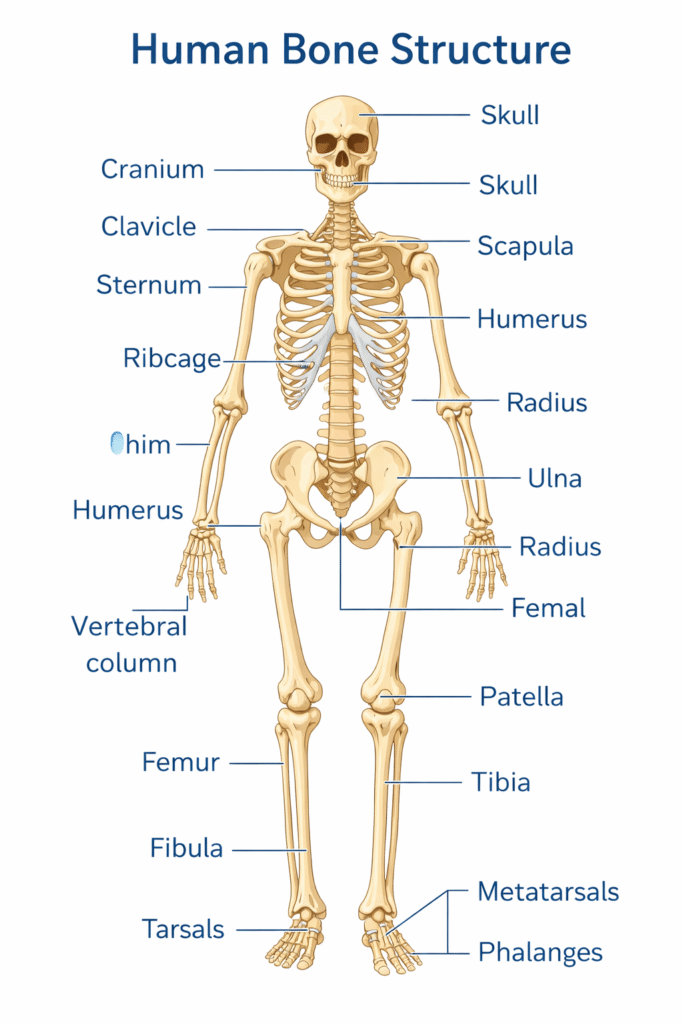
Bone pain refers to discomfort, aching, or tenderness that originates from the bones rather than muscles or joints. It can affect any bone in the body, such as the legs, arms, back, ribs, or spine.
Bone pain can be mild or severe and may worsen with movement or pressure.
Common Causes of Bone Pain
Bone pain can occur due to various reasons, ranging from minor issues to serious medical conditions.
1. Vitamin and Mineral Deficiency
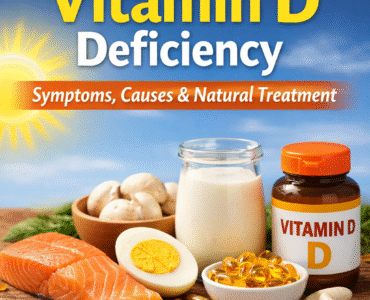
One common cause of weak bones and bone pain is vitamin D deficiency
2. Bone Injury or Fracture
Accidents, falls, or sports injuries can lead to cracks or fractures in bones, causing severe pain
3. Osteoporosis
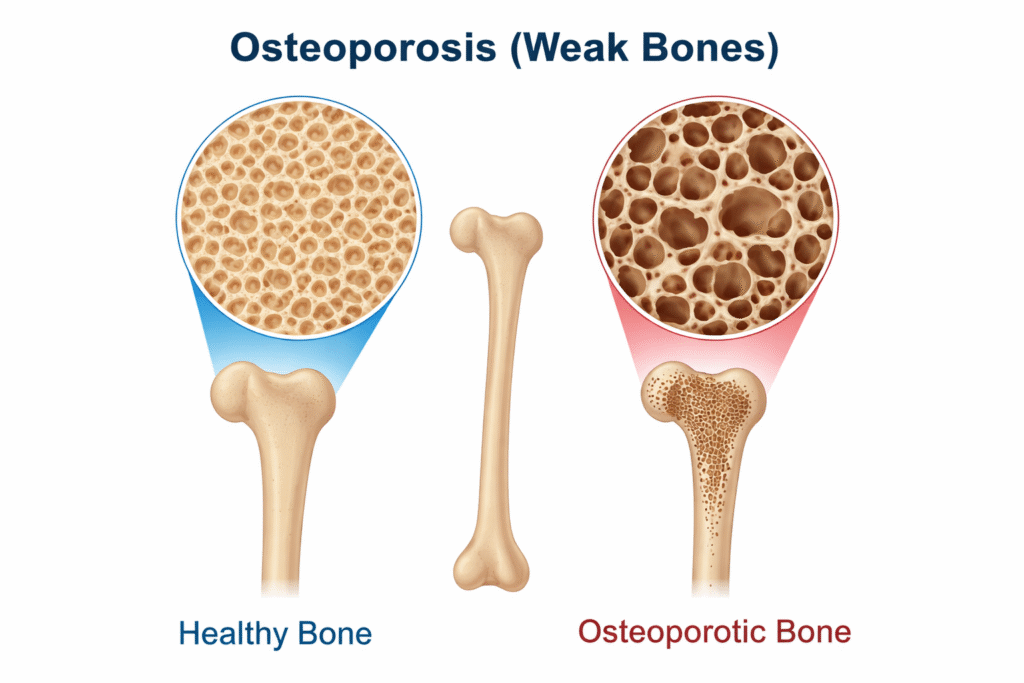
Osteoporosis makes bones weak and fragile, increasing the risk of bone pain and fractures, especially in older adults.
4. Arthritis
Inflammation around bones and joints can cause long-term pain and stiffness.
5. Infections
Bone infections (osteomyelitis) can cause swelling, fever, and intense bone pain.
6. Overuse or Physical Stress
Excessive physical activity or repetitive movements can strain bones, leading to discomfort.
Symptoms Associated With Bone Pain
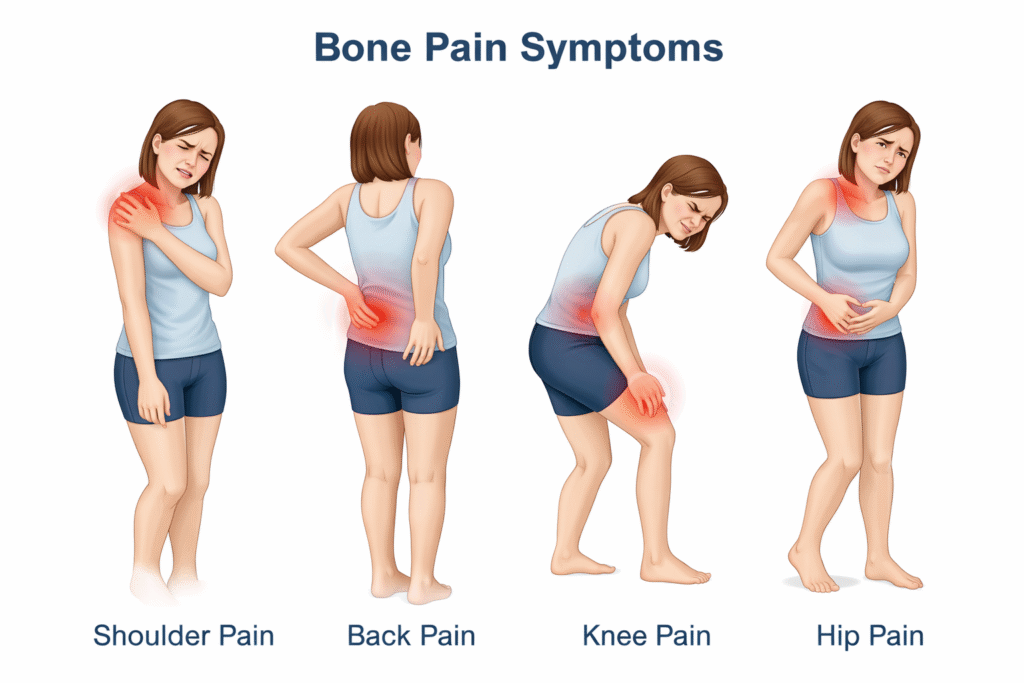
Bone pain may appear with other symptoms, depending on the cause.
Common Symptoms
- Deep, aching pain
- Pain that worsens at night
- Swelling or tenderness
- Difficulty moving the affected area
Serious Warning Signs
- Persistent pain lasting weeks
- Unexplained weight loss
- Fever with bone pain
- Frequent fractures
How Bone Pain Is Diagnosed
Doctors may use the following methods:
- Physical examination
- Blood tests (to check vitamin levels or infection)
- X-rays or MRI scans
- Bone density tests
Early diagnosis helps prevent complications.
Treatment Options for Bone Pain
Treatment depends on the underlying cause of the pain.
1. Medications
- Pain relievers
- Anti-inflammatory drugs
- Supplements like calcium and vitamin D
2. Lifestyle Changes
- Balanced diet
- Regular low-impact exercise
- Proper posture
3. Physical Therapy
Helps strengthen bones and surrounding muscles.
4. Medical Treatment
In severe cases, specific treatments may be required under a doctor’s supervision.
Home Remedies for Bone Pain Relief

Regular exposure to sunlight helps your body produce vitamin D, which strengthens bones. Learn more about vitamin D deficiency and how to prevent it.
- Warm compresses
- Gentle stretching exercises
- Adequate rest
- Sunlight exposure (for vitamin D)
How to Prevent Bone Pain

Prevention is better than treatment. Follow these tips:
- Eat calcium-rich foods (milk, yogurt, leafy greens)
- Get enough sunlight daily
- Stay physically active
- Maintain a healthy weight
- Avoid smoking and excessive caffeine
When to See a Doctor
You should consult a doctor if:
- Bone pain lasts more than a few days
- Pain is severe or worsening
- Pain is accompanied by fever or swelling
- You experience repeated fractures
Conclusion
Bone pain should never be ignored, especially if it is persistent or severe. Early identification of the cause and proper treatment can help maintain strong bones and a healthy life. Simple lifestyle changes, proper nutrition, and medical care can significantly reduce the risk of bone pain.



[…] of the most common and disturbing signs of osteoporosis is chronic bone pain, especially in the spine, hips, knees, and wrists. Understanding this disease early can help […]