 Taha Ali
 A healthy diet plan is the foundation of long-term physical health, mental clarity, and overall well-being. In modern life, poor eating habits, processed foods, and irregular meal timing have significantly increased health problems. Therefore, following a structured and well-balanced diet plan is no longer optional—it is essential.
More importantly, a professional diet plan does not focus on quick results or extreme restrictions. Instead, it emphasizes sustainability, nutritional balance, and consistency. When followed correctly, a proper diet plan supports immunity, improves digestion, enhances skin health, and maintains stable energy levels throughout the day.
Understanding the Purpose of Diet Plans
Before choosing or creating a diet plan, it is important to understand its purpose. A diet plan is not merely a list of foods; rather, it is a strategic approach to nourishing the body according to its biological needs.
Firstly, diet plans help regulate metabolism and control unnecessary weight gain. Secondly, they ensure the body receives essential nutrients in the correct proportions. Additionally, diet plans reduce the risk of lifestyle-related diseases such as obesity, diabetes, heart disease, and hormonal imbalance.
Core Principles of a Scientifically Balanced Diet
1. Nutrient Diversity and Food Quality
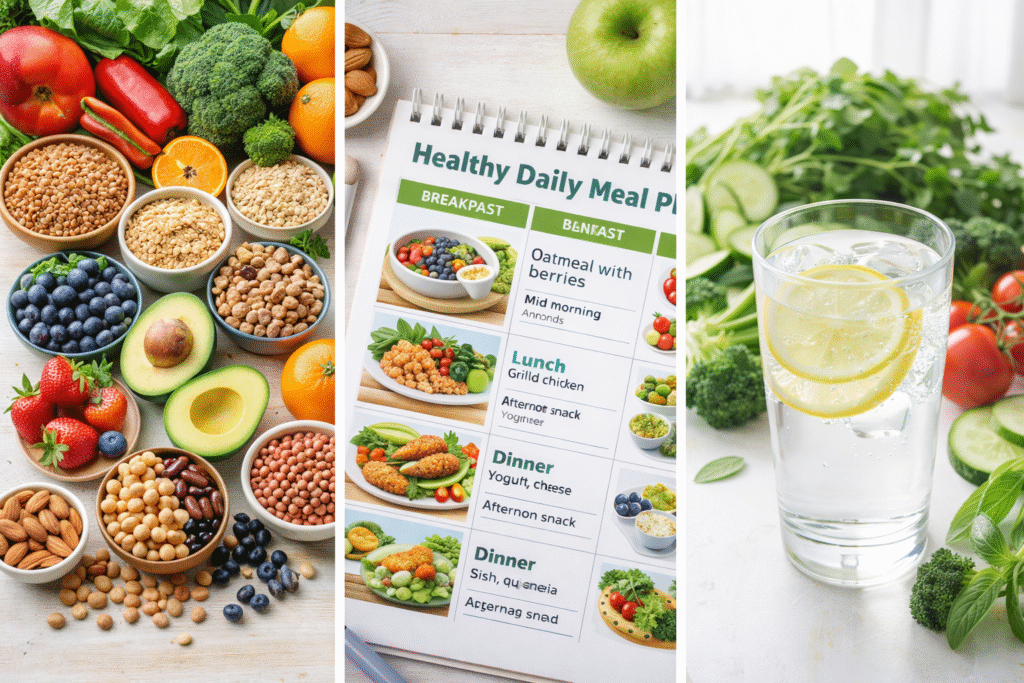
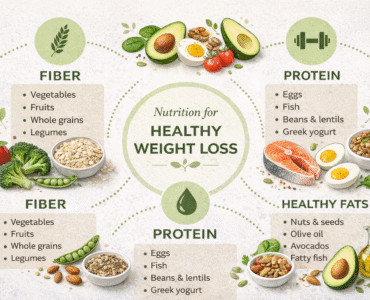
To begin with, a professional diet plan prioritizes nutrient diversity. This means consuming a wide range of foods instead of relying on a limited selection. Whole foods such as vegetables, fruits, legumes, whole grains, and natural proteins provide the body with vitamins, minerals, antioxidants, and fiber.
Furthermore, unprocessed foods support gut health and reduce inflammation. As a result, digestion improves and nutrient absorption becomes more efficient.
2. Proper Protein Intake for Strength and Repair

Protein plays a critical role in maintaining muscle mass, repairing tissues, and supporting immune function. Therefore, every balanced diet plan must include adequate protein sources.
Lean proteins such as eggs, fish, chicken breast, beans, lentils, tofu, and yogurt are ideal choices. Moreover, protein helps control appetite by increasing satiety, which is particularly beneficial for weight management.
3. Healthy Fats for Brain, Heart, and Hormones
Contrary to common myths, fats are not harmful when chosen correctly. In fact, healthy fats are essential for hormone production, brain function, and cardiovascular health.
Sources such as olive oil, avocados, nuts, seeds, and fatty fish provide omega-3 and omega-6 fatty acids. Consequently, regular consumption of healthy fats improves skin elasticity, supports mental focus, and reduces inflammation.
4. Complex Carbohydrates for Sustainable Energy
Carbohydrates are the body’s primary energy source. However, the quality of carbohydrates matters greatly. Complex carbohydrates such as oats, brown rice, quinoa, sweet potatoes, and whole wheat release energy slowly.
As a result, blood sugar levels remain stable, reducing fatigue and sudden hunger. Additionally, complex carbs support physical endurance and cognitive performance.
The Importance of Meal Timing and Portion Control
Beyond food choices, meal timing plays a significant role in diet success. Eating meals at consistent times helps regulate digestion and metabolism. Moreover, proper portion control prevents overeating while ensuring nutritional adequacy.
Instead of large, irregular meals, smaller balanced meals throughout the day are recommended. Consequently, energy levels remain steady and cravings are reduced.
Sample Professional Daily Diet Plan
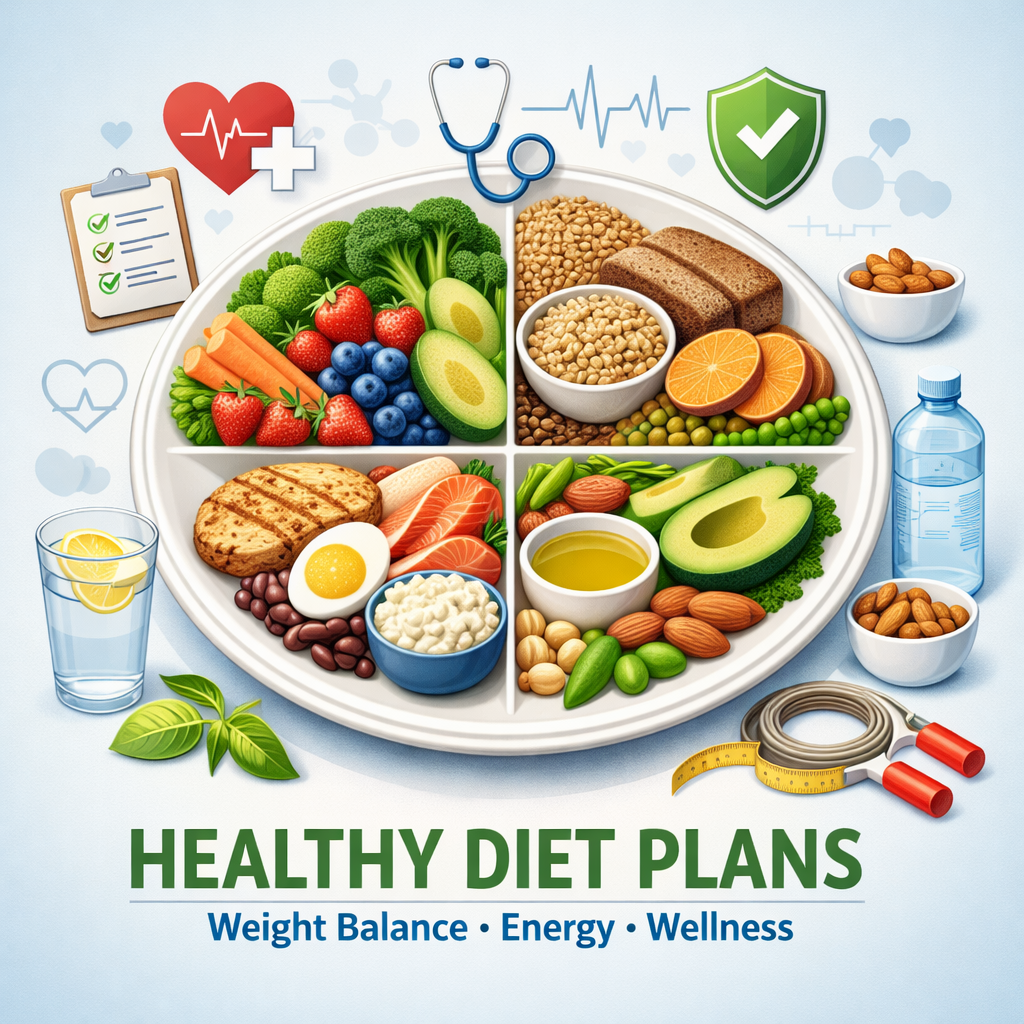
Breakfast – Fueling the Morning
- Whole-grain oats with chia seeds and berries
- One boiled egg or yogurt
- Green tea or warm water
Mid-Morning Snack
- Fresh fruit (apple, orange, or banana)
- A handful of mixed nuts
Lunch – Balanced and Nutritious
- Brown rice or whole-wheat roti
- Grilled chicken, fish, or lentils
- Mixed vegetable salad with olive oil
Evening Snack
- Yogurt or cottage cheese
- Herbal tea
Dinner – Light and Digestible
- Steamed or sautéed vegetables
- Beans, tofu, or grilled fish
- Small portion of whole grains
This plan provides balanced nutrition while remaining flexible. However, individual needs may vary based on age, gender, and activity level.
Hydration: An Often Overlooked Diet Component

In addition to food, hydration is a key pillar of any diet plan. Drinking adequate water supports digestion, detoxification, joint lubrication, and skin health. Moreover, proper hydration helps control appetite and improves metabolic efficiency.
Ideally, water intake should be spread evenly throughout the day rather than consumed in large quantities at once.
Diet Plans and Mental Well-Being
Interestingly, diet plans also influence mental health. Nutrient-dense foods support neurotransmitter function, which affects mood and concentration. For instance, omega-3 fats, magnesium, and B-vitamins help reduce stress and fatigue.
Therefore, a healthy diet plan supports both physical strength and emotional stability.
Common Diet Plan Mistakes to Avoid
Despite good intentions, many people make avoidable mistakes:
- Skipping meals regularly
- Eliminating entire food groups
- Following extreme calorie restriction
- Relying on processed “diet” foods
Instead, focus on balance, consistency, and moderation. Sustainable results always come from healthy habits, not shortcuts.
Final Conclusion
In conclusion, a professional diet plan is a long-term investment in health rather than a temporary solution. By focusing on nutrient quality, meal timing, hydration, and lifestyle balance, anyone can achieve improved energy, stronger immunity, and better overall wellness.
Most importantly, consistency and patience are the true keys to success. Small daily improvements lead to powerful long-term results.


[…] Health Benefits:Rich in healthy fats, protein, and fiber, this breakfast keeps you full for longer. […]