Taha Ali
 Magnesium is one of the most essential minerals for human health, yet it is often overlooked in daily diets. Known as the “miracle mineral,” magnesium plays a role in over 300 biochemical reactions in the body, supporting everything from muscle function to mental health. Despite its importance, many people suffer from magnesium deficiency due to poor dietary habits, lifestyle factors, or certain medical conditions.
In this comprehensive guide, we will explore the benefits of magnesium supplements, their uses, recommended dosage, potential side effects, natural food sources, and tips for maximizing absorption. By the end of this article, you will have all the information needed to make informed decisions about magnesium supplementation.
🧪What is Magnesium?

Magnesium is a mineral naturally present in many foods and is also available as a dietary supplement. It is essential for life because it contributes to numerous bodily functions, including:
- Energy production: Magnesium is critical in converting food into energy.
- Nerve function: It regulates neurotransmitters, which transmit messages throughout the nervous system.
- Muscle contraction: Helps muscles relax and contract efficiently, preventing cramps and spasms.
- Bone health: Works in synergy with calcium and vitamin D to maintain bone density.
- Heart rhythm: Supports a normal heartbeat and overall cardiovascular health.
Why Magnesium Deficiency Occurs

Magnesium deficiency can result from several factors, including:
- Poor dietary intake: Modern diets often lack magnesium-rich foods like leafy greens, nuts, and whole grains.
- Digestive issues: Conditions like Crohn’s disease or celiac disease reduce magnesium absorption.
- Age-related changes: Older adults may have decreased magnesium absorption.
- High stress levels: Stress can increase magnesium excretion through urine.
- Excessive alcohol intake: Alcohol consumption can deplete magnesium stores.
Example: A person eating mostly processed foods with minimal vegetables or nuts may consume far less than the recommended daily magnesium intake, leading to fatigue, muscle cramps, or sleep disturbances over time.
💪Top Health Benefits of Magnesium Supplements

Magnesium supplements offer numerous advantages, especially for those at risk of deficiency. Below, we explore these benefits in detail.
1. 🦴Supports Bone Health

Magnesium contributes to bone formation by assisting in the assimilation of calcium into the bone matrix. Studies show that low magnesium levels can increase the risk of osteoporosis, particularly in postmenopausal women.
Transition: But magnesium doesn’t just strengthen bones—it also plays a role in muscle and heart health.
2. 😴Enhances Sleep Quality

Magnesium can improve sleep by regulating neurotransmitters and the hormone melatonin, which guides the sleep-wake cycle. Research suggests that magnesium supplementation may help individuals fall asleep faster and achieve deeper, more restorative sleep.
Tip: Combining magnesium with a relaxing nighttime routine, such as reading or meditation, can maximize its sleep-promoting effects.
3. 🏃♂️Reduces Muscle Cramps and Fatigue

Muscle cramps and spasms can be painful and disruptive. Magnesium is crucial for muscle contraction and relaxation, helping prevent cramps, stiffness, and fatigue. Athletes often supplement with magnesium to enhance performance and reduce recovery time.
Example: Runners and gym-goers may notice fewer leg cramps after taking a magnesium supplement consistently for several weeks.
4. ❤️Supports Heart Health

Magnesium is essential for maintaining a steady heartbeat and regulating blood pressure. Low magnesium levels are associated with hypertension, arrhythmias, and increased risk of cardiovascular disease.
5. 🧘♀️Aids Stress, Anxiety, and Mood Regulation

Magnesium influences neurotransmitters such as serotonin, which regulate mood. Research indicates that magnesium supplements can reduce symptoms of anxiety, stress, and mild depression.
Tip: Those under chronic stress may benefit from magnesium glycinate or citrate forms, which are highly absorbable and gentle on the stomach.
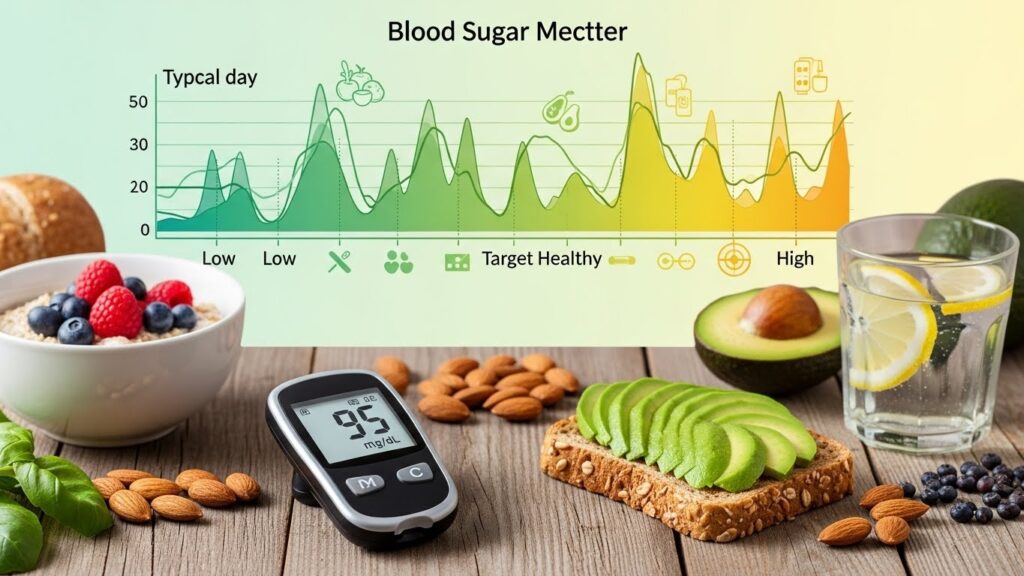
6. 🍬Supports Blood Sugar Control

Magnesium plays a role in insulin sensitivity and glucose metabolism. Low magnesium levels are linked to a higher risk of type 2 diabetes. Supplementation may help regulate blood sugar levels and improve metabolic health.
📊Recommended Dosage of Magnesium
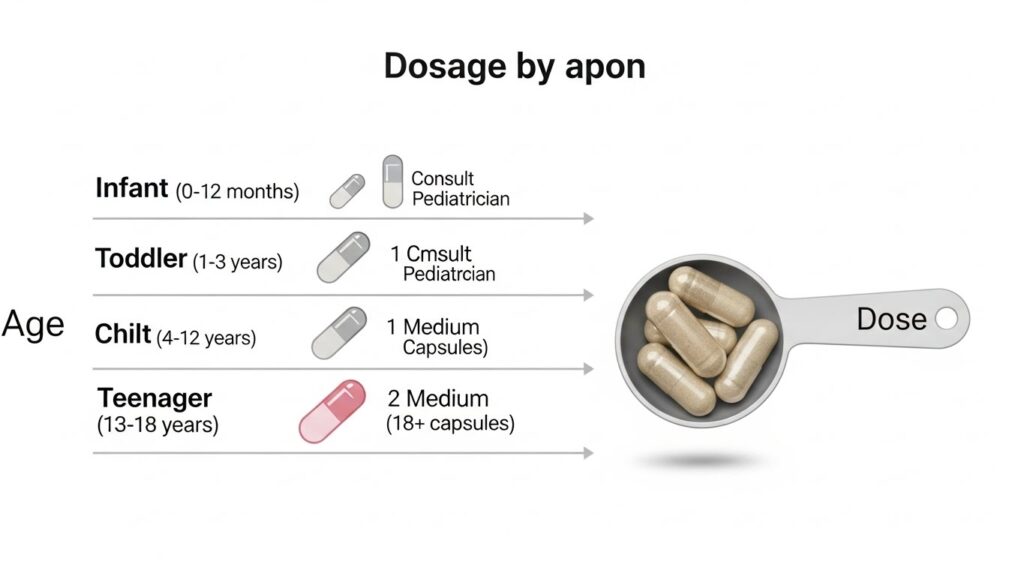
The recommended daily allowance (RDA) varies by age, gender, and physiological status:
| Age Group | Recommended Daily Allowance (RDA) |
|---|---|
| Teens (14–18) | 360–410 mg |
| Adult Men | 400–420 mg |
| Adult Women | 310–320 mg |
| Pregnant Women | 350–360 mg |
| Lactating Women | 310–320 mg |
⚡Potential Side Effects of Magnesium Supplements
Magnesium is safe for most individuals, but high doses—especially from supplements—may cause:
- Diarrhea (common with magnesium oxide)
- Nausea or stomach cramps
- Low blood pressure (rare, usually with extreme intake)
- Irregular heartbeat (very rare, usually in people with
💊Different Types of Magnesium Supplements
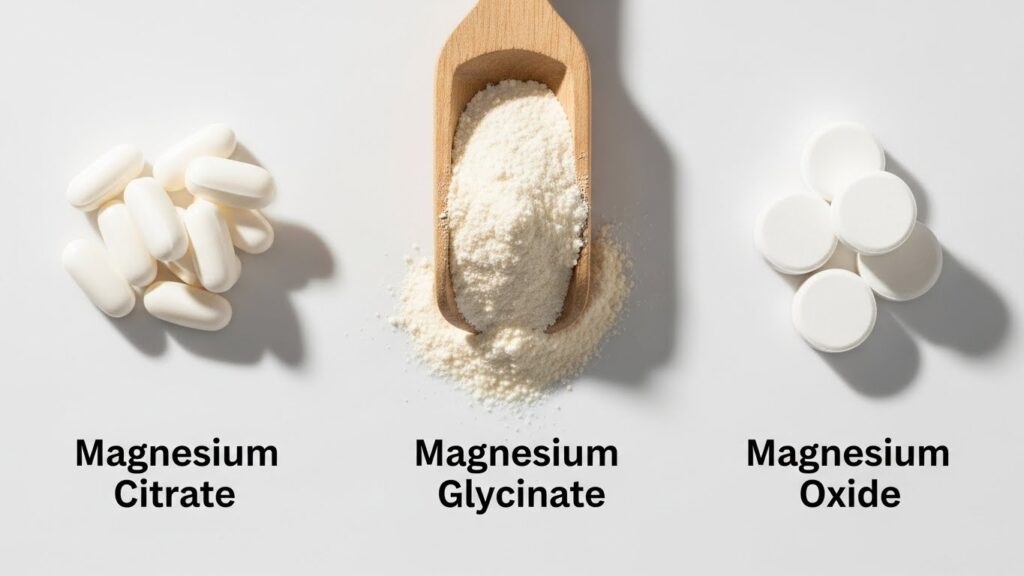
Magnesium comes in various forms, each with specific uses:
- Magnesium Citrate: Highly absorbable, often used for constipation or sleep support.
- Magnesium Glycinate: Gentle on the stomach, good for stress, anxiety, and sleep.
- Magnesium Oxide: Less expensive but lower absorption, often used for heartburn or indigestion.
- Magnesium Chloride: Supports detoxification and may be used topically.
- Magnesium L-Threonate: Supports brain health and cognitive function.
🥗Natural Food Sources of Magnesium

Supplements are not the only way to maintain magnesium levels. Many foods are naturally rich in magnesium:
- Nuts & Seeds: Almonds, pumpkin seeds, cashews, sunflower seeds
- Leafy Greens: Spinach, kale, Swiss chard
- Whole Grains: Brown rice, oats, quinoa, barley
- Legumes: Black beans, chickpeas, lentils
- Fruits & Others: Avocado, bananas, dark chocolate
📈 Graph Suggestion
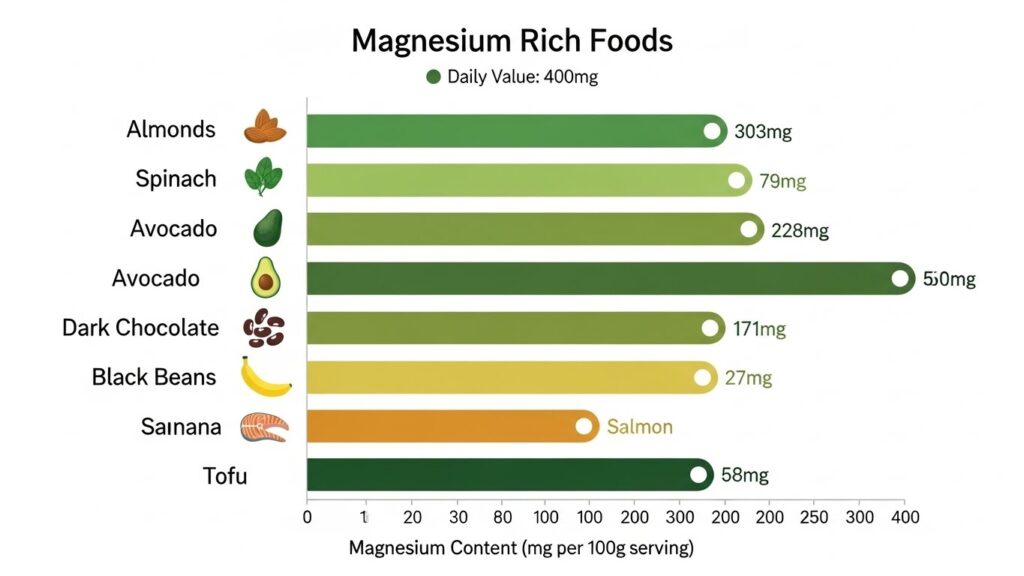
Create a bar graph showing magnesium content per 100g of top 5 foods, e.g.:
- Almonds – 270 mg
- Spinach – 79 mg
- Pumpkin seeds – 262 mg
- Black beans – 70 mg
- Dark chocolate – 228 mg
👨⚕️Who Should Consider Magnesium Supplements?

Magnesium supplementation may be particularly beneficial for:
- People with poor dietary intake
- Athletes or physically active individuals
- Those with sleep disorders
- Individuals with high stress or anxiety
- People at risk of osteoporosis or cardiovascular disease
- People with type 2 diabetes or insulin resistance
Tips to Maximize Magnesium Absorption
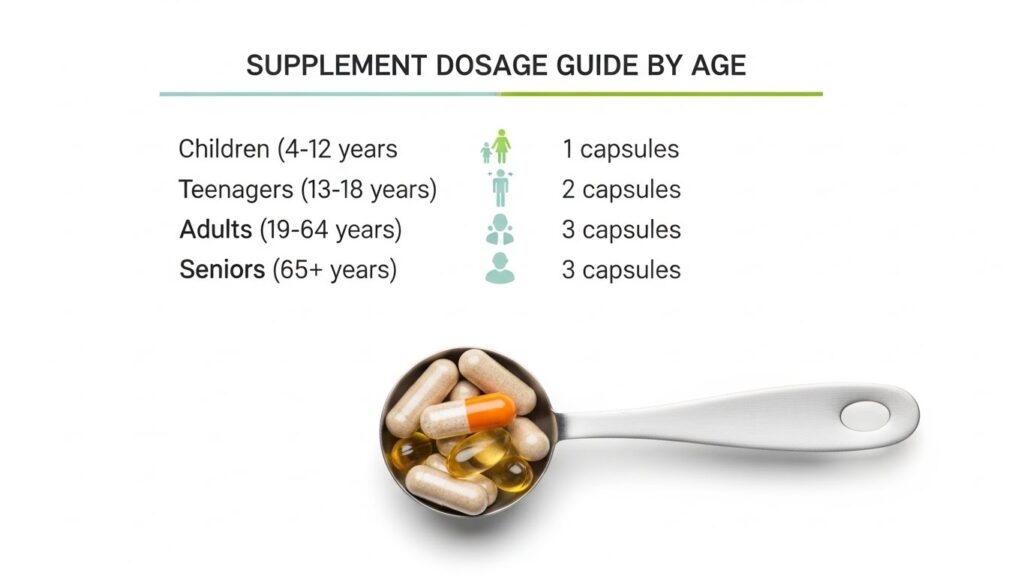
To get the most out of your magnesium supplement:
- Take magnesium with meals to improve absorption.
- Avoid taking it with high-dose calcium supplements simultaneously.
- Limit alcohol and processed foods, which can reduce magnesium absorption.
- Pair magnesium-rich foods with vitamin D, which enhances bone and heart benefits.
Conclusion
Magnesium is a vital mineral that supports bones, muscles, heart, nerves, sleep, and stress regulation. While a balanced diet should always come first, magnesium supplements provide a safe and effective way to meet daily requirements, particularly for individuals at risk of deficiency.
By understanding the right dosage, supplement type, and potential side effects, you can make informed decisions and enjoy the many benefits of magnesium for overall health and well-being.