 Taha Ali
 Introduction
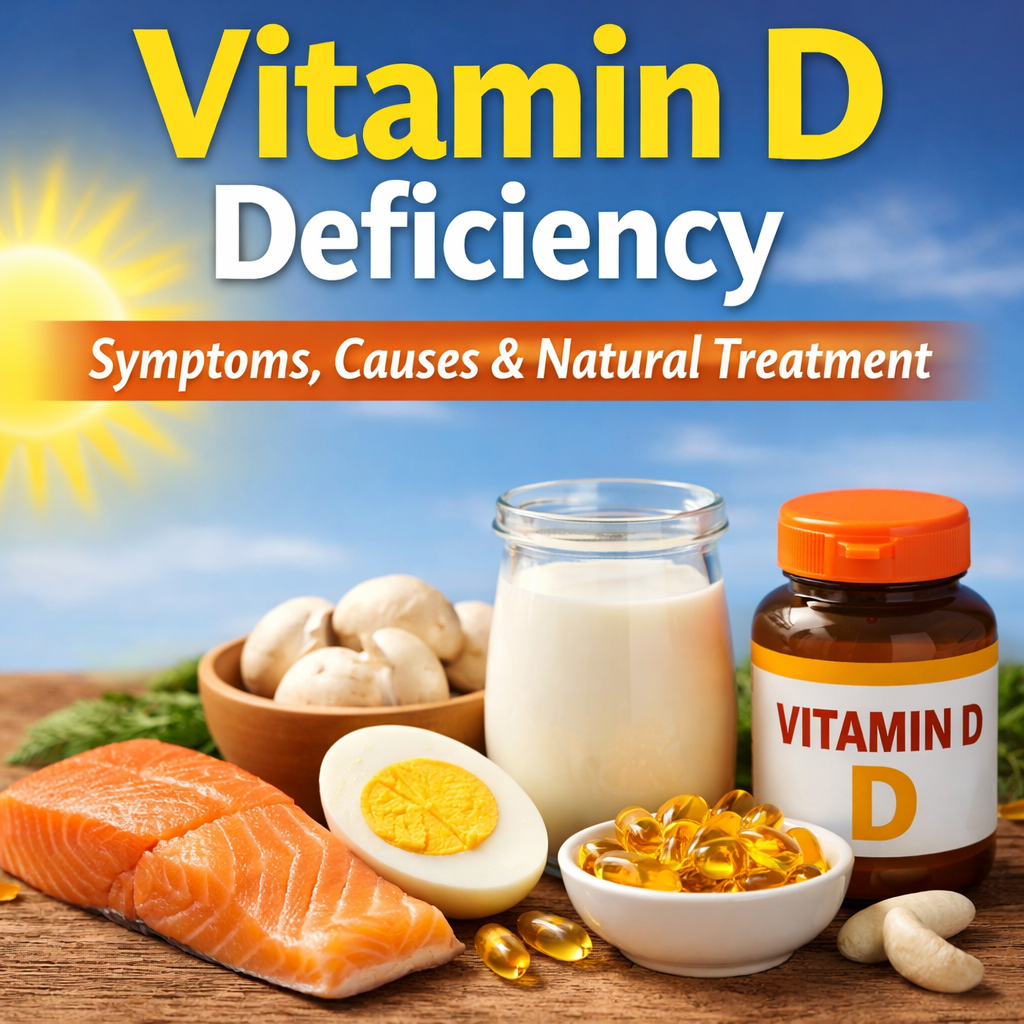
Vitamin D, often called the “sunshine vitamin,” is essential for strong bones, a healthy immune system, and overall well-being. Despite its importance, many people worldwide have low vitamin D levels. A deficiency can lead to fatigue, bone pain, hair loss, mood changes, and frequent infections.
This article explains the main symptoms of vitamin D deficiency, its causes, and natural ways to maintain healthy vitamin D levels.
What is Vitamin D and Why is it Important?
Vitamin D is a fat-soluble vitamin that helps your body absorb calcium and phosphorus, which are critical for strong bones and teeth. It also plays a role in:
- Boosting the immune system to fight infections
- Supporting muscle function
- Regulating mood and brain function
- Maintaining heart and metabolic health
Without enough vitamin D, the body struggles to absorb calcium, which can lead to weak bones and other health issues.
Common Symptoms of Vitamin D Deficiency
1. Fatigue and Weakness
Feeling constantly tired even after sleeping enough could be a sign of vitamin D deficiency. This happens because vitamin D is essential for energy production at the cellular level.
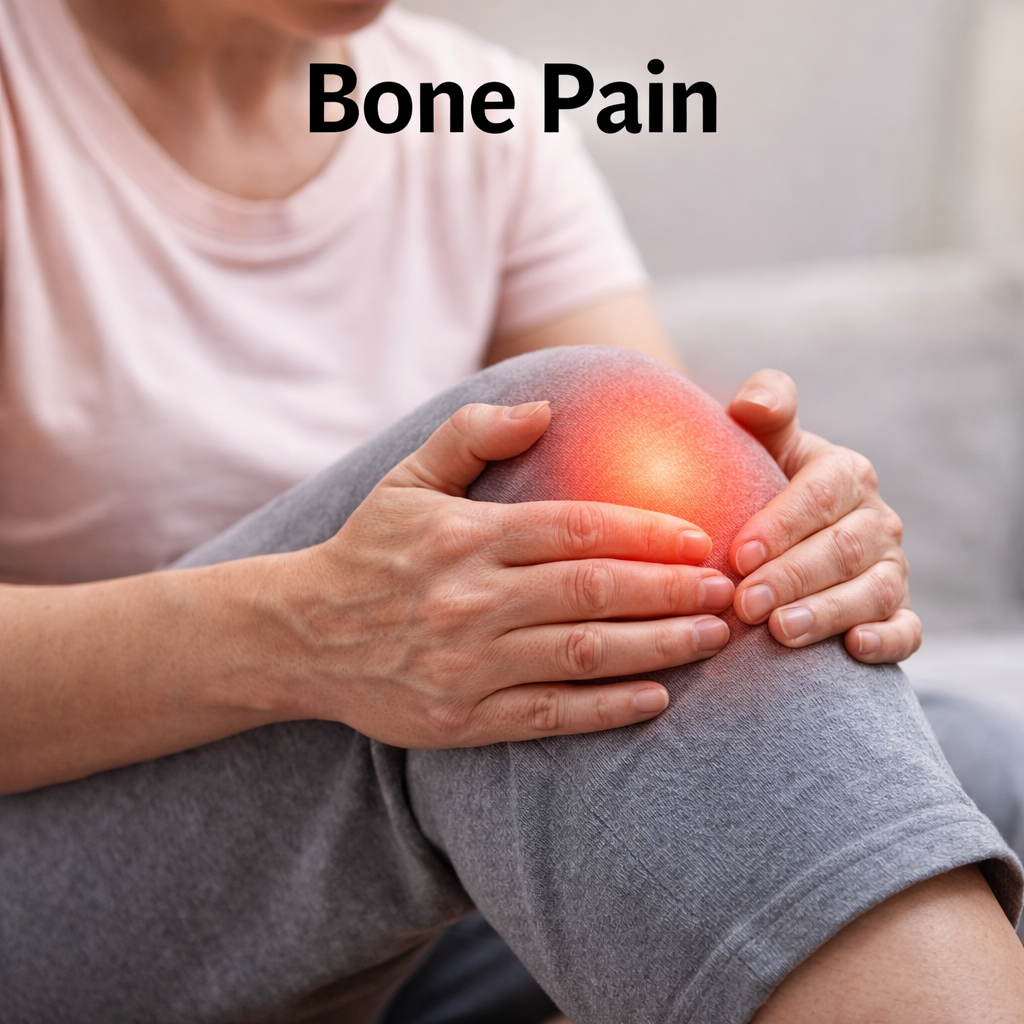
2. Bone Pain and Muscle Weakness
Vitamin D deficiency reduces calcium absorption, leading to weak bones and muscle pain. Adults may develop osteomalacia, while children can develop rickets.
3. Frequent Infections
Low vitamin D affects the immune system, increasing the risk of colds, flu, or other infections.
4. Mood Changes
Vitamin D is important for brain health. Deficiency is linked to depression, anxiety, and irritability.
5. Hair Loss
Severe vitamin D deficiency may lead to hair thinning or hair loss, particularly in women.
6. Slow Healing of Wounds
Vitamin D plays a role in tissue repair. Cuts and injuries may heal more slowly if your levels are low.
Natural Ways to Increase Vitamin D
1. Sunlight Exposure
Spend 15–20 minutes in the sun daily, preferably in the morning or late afternoon. Expose your arms and legs for best results.
2. Vitamin D-Rich Foods
Include foods like:
- Salmon, mackerel, sardines
- Eggs (especially yolks)
- Fortified milk, yogurt, and cereals
- Mushrooms exposed to sunlight
3. Supplements
If you cannot get enough vitamin D from sunlight or food, consult a doctor about supplements. Dosage depends on age, health, and current vitamin D levels.
4. Outdoor Exercise
Walking, jogging, or doing workouts outdoors not only boosts fitness but also increases sunlight exposure, helping the body produce vitamin D naturally.

When to See a Doctor
If you experience fatigue, bone pain, frequent infections, or hair loss, get your vitamin D levels checked with a blood test. Doctors can recommend supplements or other treatments if necessary.
Prevention Tips for Vitamin D Deficiency
- Spend time outdoors regularly
- Eat a balanced diet rich in vitamin D
- Maintain a healthy weight
- Monitor your vitamin D levels, especially if you are at risk
Conclusion
Vitamin D deficiency is common but preventable. Recognizing early symptoms and taking steps like sunlight exposure, eating vitamin D-rich foods, and exercising outdoors can significantly improve your health. Maintaining proper vitamin D levels supports strong bones, a healthy immune system, and better mood and energy levels.



[…] One common cause of weak bones and bone pain is vitamin D deficiency […]
[…] Many people associate osteoporosis only with old age, but the reality is that poor nutrition, Vitamin D deficiency, lack of exercise, and unhealthy lifestyle choices can cause bone loss at a much earlier […]
[…] Iron and vitamin deficiencies […]
[…] Vitamin deficiencies […]