Taha Ali
 Introduction: Why Women’s Health Needs Special Attention
Women’s health is a lifelong journey that requires awareness, preventive care, and daily healthy habits. From the teenage years through pregnancy, motherhood, and menopause, a woman’s body goes through continuous physical and hormonal changes. As a result, these changes directly affect bone strength, immunity, energy levels, and mental well-being.
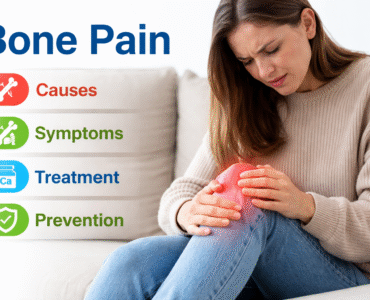
Unfortunately, many women ignore early warning signs such as fatigue, joint discomfort, and bone pain, assuming they are normal. However, these symptoms often indicate deeper health issues, including vitamin deficiencies, hormonal imbalance, or weakening bones. Therefore, understanding women’s health holistically not only helps prevent long-term conditions but also promotes a healthier, more active life.

1. Understanding Women’s Physical and Biological Needs
Women have unique biological needs compared to men. In fact, hormonal cycles, pregnancy, breastfeeding, and menopause place additional nutritional and physical demands on the body. If these needs are not met, women may experience weakness, mood changes, low immunity, and skeletal problems.
Moreover, some of the most common physical challenges women face include:
- Low bone density
- Iron and vitamin deficiencies
- Hormonal imbalance
- Muscle and joint discomfort
- Chronic tiredness
If ignored, these issues can slowly develop into serious health complications. Therefore, early awareness and proper care are essential for maintaining long-term women’s health.
2. Bone Health in Women: A Foundation for Long Life
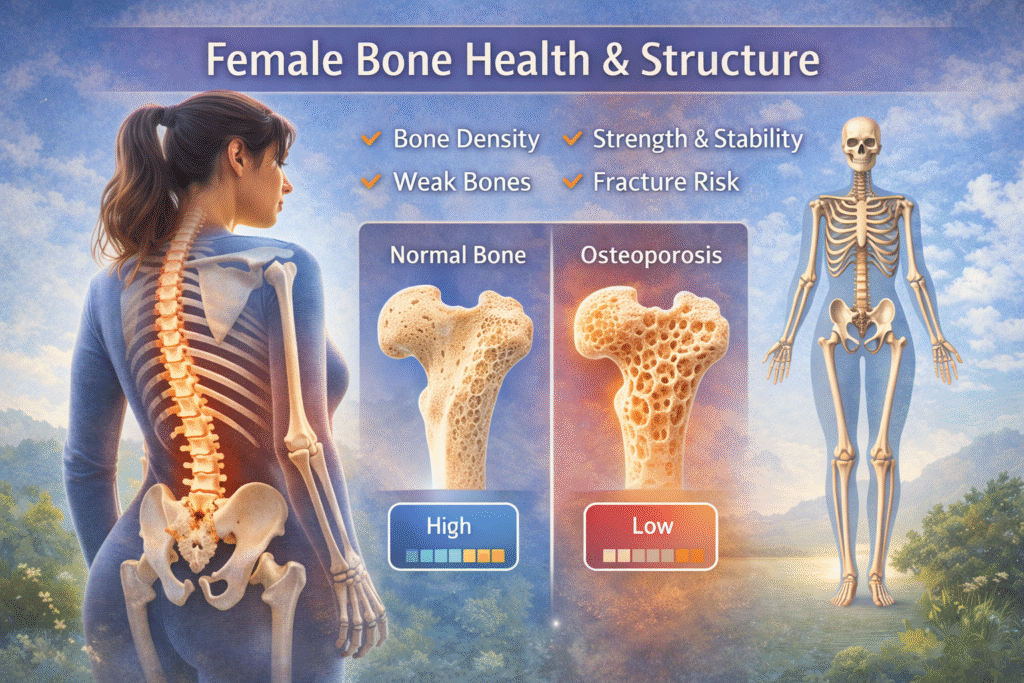
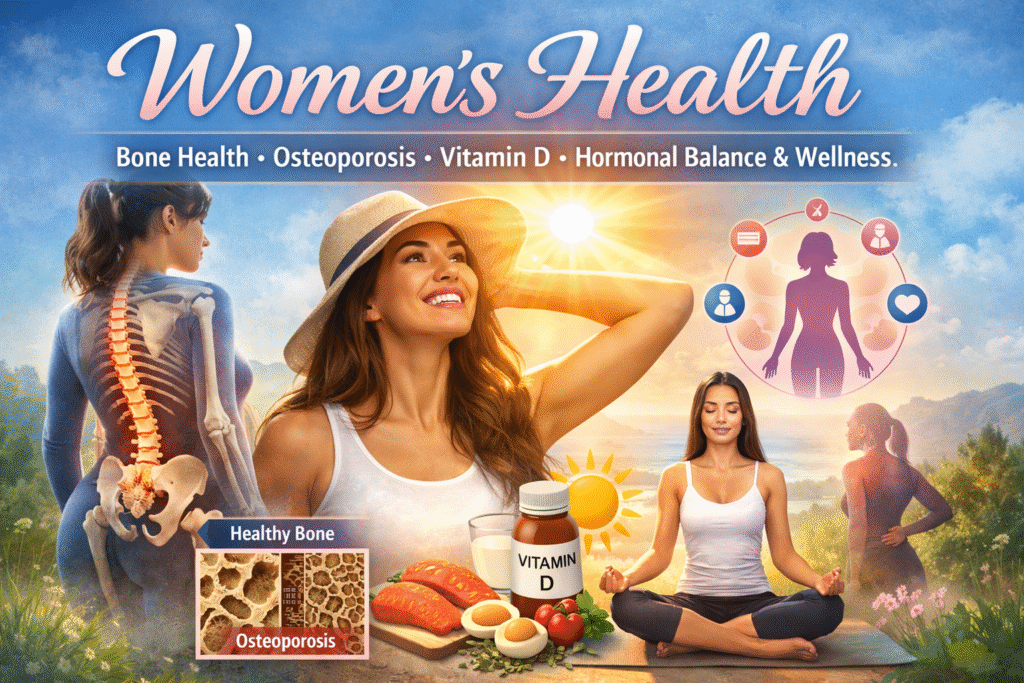
Strong bones are the foundation of an active and independent life. Unfortunately, women are more likely to experience bone loss due to lower bone mass and declining estrogen levels with age. Bone density starts decreasing earlier in women, making them vulnerable to fractures and mobility issues.
Early signs of bone weakness include:
- Frequent back or joint discomfort
- Reduced grip strength
- Poor posture
- Persistent bone pain
3. Osteoporosis in Women: The Silent Bone Disease
Osteoporosis is one of the most serious women’s health conditions, often developing silently over many years. In fact, women—especially after menopause—lose bone mass more rapidly due to reduced estrogen levels. Consequently, by the time symptoms appear, significant bone damage may have already occurred.
Therefore, common warning signs of osteoporosis include:
- Sudden fractures
- Chronic back pain
- Loss of height
- Curved spine posture
As a result, early detection and preventive measures, such as a calcium-rich diet, vitamin D, regular exercise, and bone density testing, are essential for protecting long-term bone health.
4. Vitamin D Deficiency and Its Impact on Women
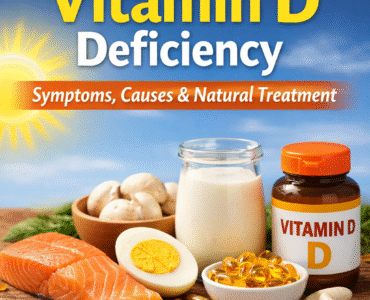
Vitamin D is essential for calcium absorption, muscle strength, immune defense, and mood stability. In fact, despite its importance, vitamin D deficiency is extremely common in women due to indoor lifestyles, frequent sunscreen use, and limited sun exposure.
As a result, common symptoms of vitamin D deficiency include:
- Bone and joint pain
- Muscle weakness
- Frequent infections
- Hair thinning
- Depression and fatigue
Therefore, identifying vitamin D deficiency early and addressing it through sunlight exposure, diet, or supplementation can significantly improve overall health and well-being.
5. Hormonal Health: The Core of Women’s Wellness
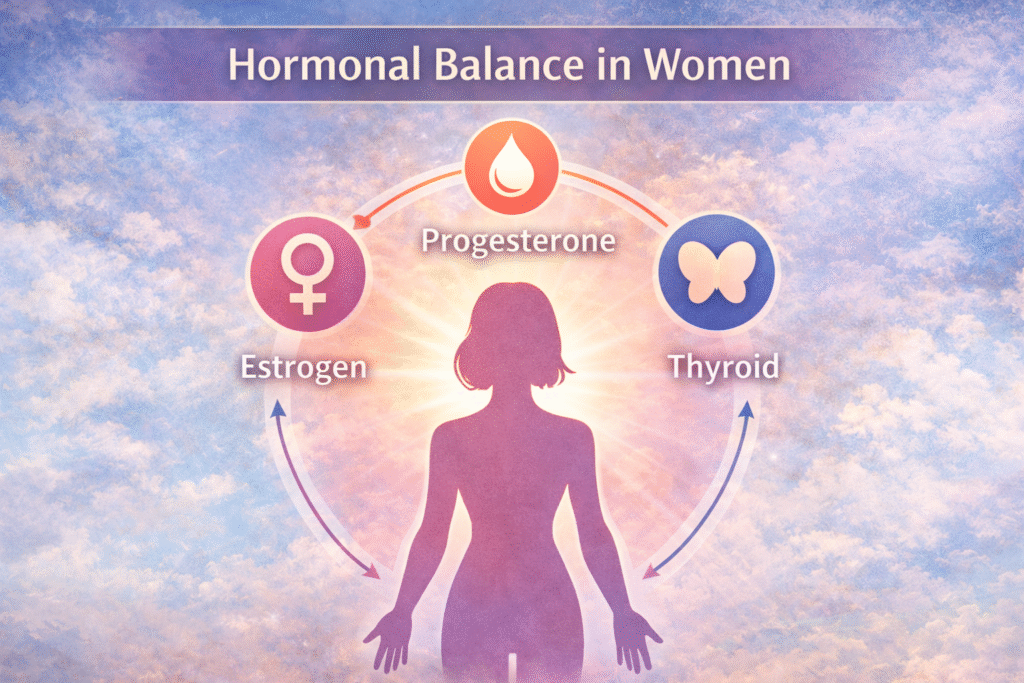
Hormones regulate almost every function in a woman’s body, including metabolism, mood, bone density, reproductive health, and sleep. In fact, even a slight hormonal imbalance can cause noticeable physical and emotional symptoms.
Therefore, common signs of hormonal imbalance include:
- Irregular periods
- Unexplained weight gain
- Anxiety and mood swings
- Low energy levels
- Poor bone health
However, maintaining hormonal balance requires proper nutrition, effective stress control, regular exercise, and adequate sleep. As a result, a balanced hormonal system supports overall health, emotional stability, and long-term well-being quality sleep.
6. Nutrition for Strong Bones and a Healthy Body
Nutrition plays a crucial role in women’s health. In fact, a well-balanced diet supports strong bones, healthy muscles, balanced hormones, and a resilient immune system. Moreover, women require higher amounts of certain nutrients at different stages of life.
Therefore, essential nutrients for women include:
- Calcium – milk, yogurt, almonds
- Vitamin D – sunlight exposure, eggs
- Iron – spinach, lentils
- Protein – eggs, legumes
- Magnesium – nuts, seeds
Ultimately, meeting daily nutritional needs helps prevent deficiencies and supports long-term health. As a result, proper nutrition becomes the foundation of overall women’s well-being.
7. Daily Health Habits That Transform Women’s Lives
Healthy daily habits can prevent most lifestyle-related diseases. In fact, consistency matters far more than perfection when it comes to long-term health.
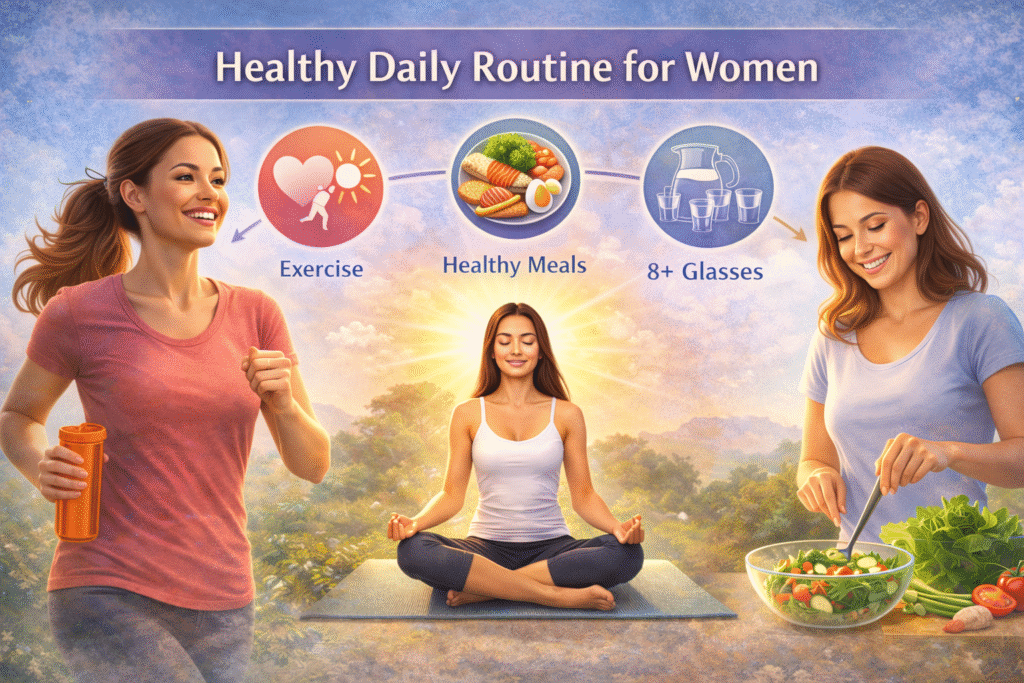
Therefore, healthy habits every woman should follow include:
- At least 30 minutes of daily walking or light exercise
- Balanced, nutrient-rich meals
- Adequate hydration throughout the day
- Effective stress management
- 7–8 hours of quality sleep each night
Ultimately, small and consistent daily choices lead to lasting health benefits. As a result, adopting these habits can significantly improve overall well-being and quality of life.
8. Mental and Emotional Well-Being in Women
Mental health is inseparable from physical health. In fact, stress, anxiety, and emotional exhaustion can weaken immunity, disturb hormonal balance, and negatively affect bone health.
Therefore, practices that support mental well-being are essential, including:
- Mindfulness or meditation
- Strong social connections
- Limiting screen time
- Regular physical activity
Ultimately, a healthy mind strengthens a healthy body. As a result, prioritizing mental well-being plays a vital role in overall women’s health.
Conclusion: Investing in Women’s Health for a Better Future
Women’s health is not about quick fixes; rather, it focuses on long-term care, awareness, and prevention. By paying attention to early signs such as bone pain, by understanding conditions like osteoporosis, by correcting vitamin deficiencies, and by following daily healthy habits, women can dramatically improve their overall quality of life.
Ultimately, a strong and healthy woman helps build a strong family and community. Therefore, prioritizing women’s health today ensures a healthier and brighter tomorrow.